

ChargeWipe
ChargeWipe

FAQs

Before Use

Everything you need to know to get started

and integrate seamlessly with our secure ecosystem

What information is required to activate the service?

To register a ChargeWipe account, you need to provide your merchant name, email address and password. After successful registration, you can log in to the ChargeWipe client with your email and password, and bind your stores independently.

What are the differences between Ethoca, RDR and CDRN? Can all chargebacks be fully intercepted? Which one is better to activate?

As a Visa product, RDR only covers Visa transactions and supports automatic refunds. CDRN also belongs to Visa; it supports multiple card brands but requires manual refunds. Ethoca is a Mastercard product, covering various card brands and also requiring manual refunds.

Please note that alerts cannot intercept 100% of all chargebacks. Coverage is shown below:

We recommend merchants activate 1 to 3 types of chargeback alert products according to their store requirements.

Card Brand CoverageTransaction Coverage Rate
RDRVisa99%
CDRNVisa50%
Mastercard5%
Other card schemes~30%
EthocaMastercard95%
Visa & other card schemes50%

How long does it take for the alerts to take effect after activation?

RDR generally takes 10–15 days; CDRN and Ethoca usually take 1–7 days.

Will integrating your platform affect my existing payment channels (Shopify Payments / Stripe / PayPal, etc.)?

No. Chargeback alerts do not modify any payment channel data and will not affect your current collection or settlement processes at all.

Which payment channels and card schemes does ChargeWipe support?

It supports mainstream independent store systems: Shopify, WooCommerce, Shopline, Shoplazza, custom independent websites, and more. It supports mainstream payment channels: Shopify Payments, Stripe, PayPal, Oceanpayment, PingPong, and major credit card acquiring gateways.

During Use

Step-by-step guidance on managing transactions,

alerts, and wallet security with confidence

Is there a time limit for handling alerts? What happens if the deadline is exceeded?

Ethoca requires action within 24 hours, while CDRN alerts must be responded to within 72 hours. The ChargeWipe backend displays the remaining processing time for alerts in real time. If the time limit is exceeded, the alert will be converted into a formal chargeback within approximately seven days.

Can multiple stores or store groups manage all alerts within one single backend?

Yes. After activating the client, you can register multiple stores in the backend. All alerts will be displayed in one unified dashboard and can be distinguished by store descriptors.

When receiving a chargeback alert, should I contact the buyer first or issue a refund directly?

We recommend prioritizing refunds, as this is the most efficient way to resolve chargeback alerts.

Can I pause the service later after enabling it? How long does suspension take?

Service suspension is available, but note that deactivation is not immediate and normally takes several business days to complete. After submitting a suspension request and before the service is fully stopped, the system will still receive and push alerts normally.

Can the service be reactivated after suspension?

Yes. You can re-enable the service in store management. Reactivation also requires a certain processing period; once completed, you will resume receiving chargeback alerts normally.

Success Stories

Case 1

Shopify Women's Shapewear Store

Background

The store offers sculpting apparel such as 3D shaping pants, hip-lifting and tummy-control shapewear. Malicious chargebacks accounted for 68% of total disputes, mainly arising from size discrepancies and unmet shaping effect expectations. The overall chargeback rate stood at 4.4%. Given the high logistics costs of bundled and set orders, post-fulfillment chargebacks caused dual losses on both goods and shipping expenses.

Solution

Implemented the dual risk alert system integrated with CDRN and Ethoca.

Result

- The chargeback rate declined from 4.4% to 1.1%, recovering over $9,800 in monthly losses related to chargebacks and logistics waste;

- Precise interception of high-risk orders reduced invalid fulfillment and logistics losses by 88%;

- Dispute response efficiency improved by 70%, and overall customer complaint rates decreased by 55%.
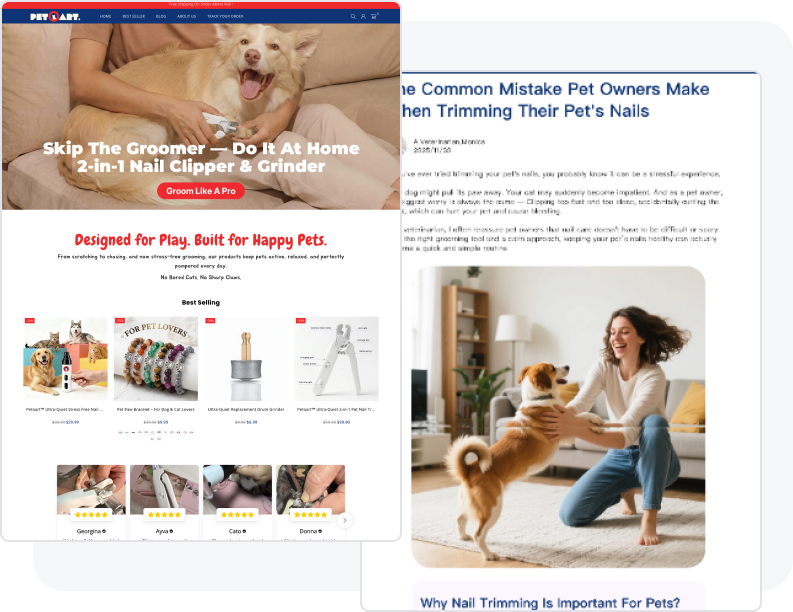

Case 2

Pet Care Products Independent Store

Background

The business focuses on pet grooming products such as low-noise pet nail grinders and daily care tools. Its long-term chargeback rate remained at 2.68%, with monthly chargeback losses exceeding $7,500. The payment channel was placed under enhanced platform review, bringing substantial compliance pressure to daily operations.

Solution

Deployed the dual chargeback alert system of Ethoca and CDRN.

Result

- The chargeback rate decreased from 2.68% to 0.49% within 3 months and has since stayed steadily below the 1% safety threshold;

- The average daily volume of formal chargeback cases handled by customer service dropped from over 12 to fewer than 3, cutting daily risk control workload by 65%;

- No disruption to legitimate customer orders, with payment approval rates maintained at a stable level.

Case 3

Men's Fashion Independent Store

Background

This store mainly sells trendy men's apparel including T-shirts, polo shirts, casual pants and other categories, with bundle discount as its core promotion strategy. Its chargeback rate once hit 7.9%. The leading chargeback reasons were significantly concentrated on "item not as described" and "non-delivery of goods". The rate nearly breached card scheme risk control thresholds, resulting in frequent payment limit reductions and account freezes, which severely disrupted capital turnover.

Solution

Integrated the omni-channel chargeback alert system covering RDR, CDRN and Ethoca.

Result

- The chargeback rate decreased from 2.68% to 0.49% within 3 months and has since stayed steadily below the 1% safety threshold;

- The average daily volume of formal chargeback cases handled by customer service dropped from over 12 to fewer than 3, cutting daily risk control workload by 65%;

- No disruption to legitimate customer orders, with payment approval rates maintained at a stable level.